
Fistula Surgery
Fistula Surgery
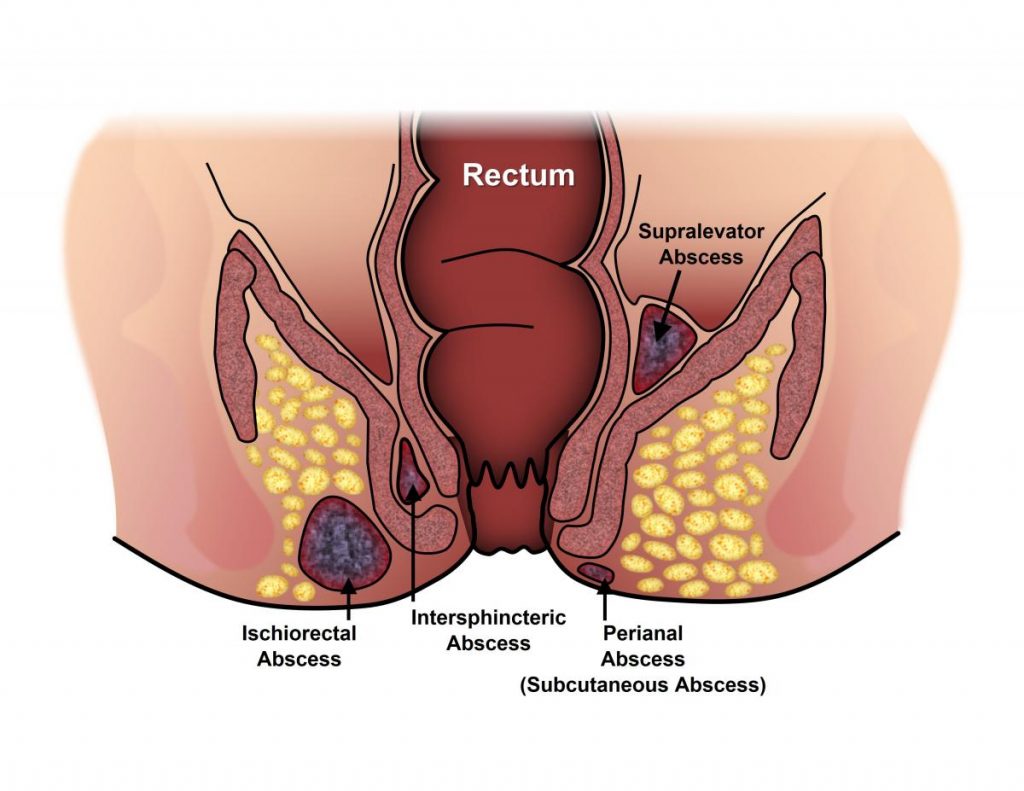
Fistulas form when inflammation causes sores, or ulcers, to form on the inside wall of the intestine or nearby organs. Those ulcers can extend through the entire thickness of the bowel wall, creating a tunnel to drain the pus from the infected area. An abcess, or a collection of pus, can also cause a fistula to form.
The most common types of fistulas in Crohn’s disease patients form between two parts of the intestine, between the intestine and another organ, such as the bladder or vagina, or through to the skin surface. Women with Crohn’s disease can also develop a fistula between the rectum and vagina, which may be difficult to treat. Surgical treatment depends on individual circumstances.
Fistula between the small and large intestine
- Diarrhea
- Passage of undigested food
Fistula between the intestine and the bladder
- Urinary tract infection
- Burning with urination
- Cloudy urine or blood in the urine
Fistula between the intestine and the vagina
- Passage of gas or stool through the vagina
Fistula from the intestine to the skin
- Can initially present as a painful bump or boil
- Skin abscess that is open and draining fluid or stool